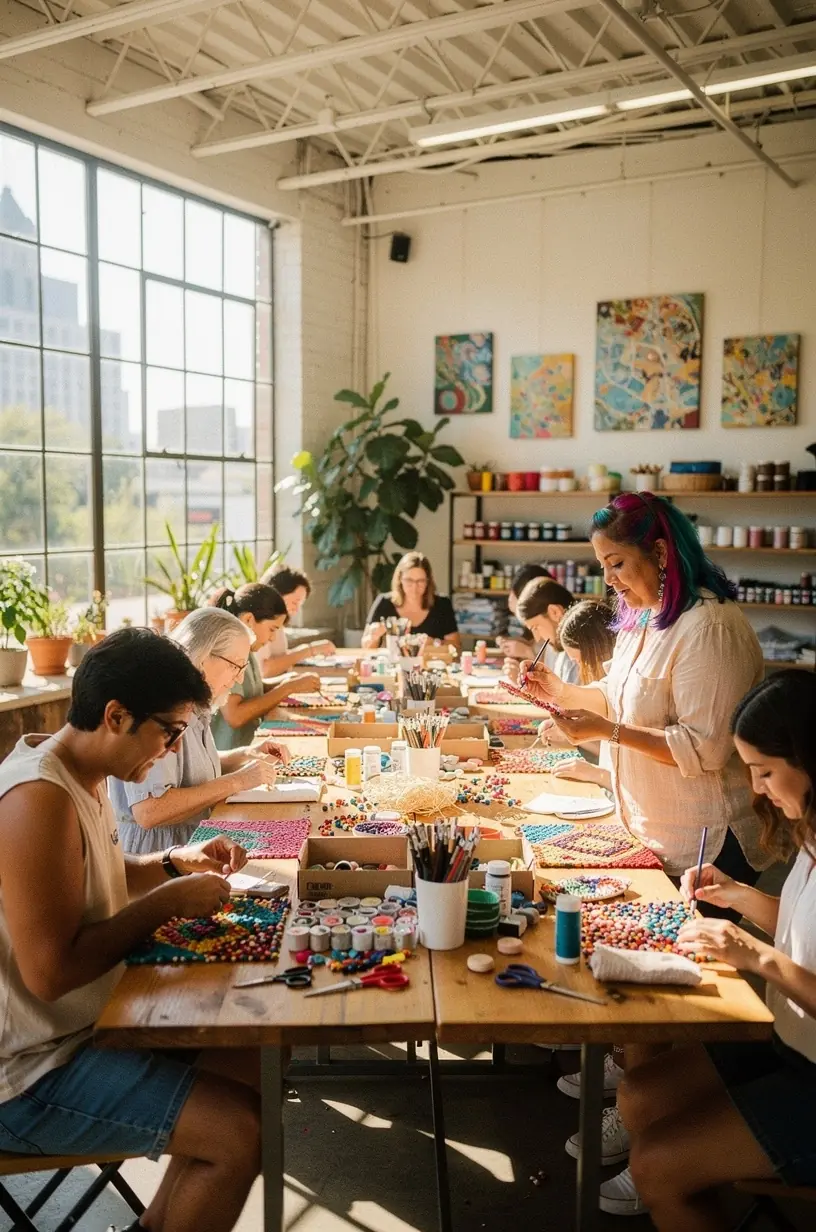
How Cultural Exchange Programs Foster Understanding
Cultural exchange programs have become increasingly popular in the United States, allowing individuals to immerse themselves in different cultures and perspectives. This article explores how these programs can foster understanding among participants and their communities.
Understanding Cultural Exchange Programs
Cultural exchange programs typically involve individuals from different cultural backgrounds interacting through various activities, such as educational initiatives, community service, or artistic collaborations. According to research by the National Endowment for the Arts, these programs can enhance participants' cultural awareness and appreciation. The principle behind these exchanges is that firsthand experience creates a deeper understanding than simply reading or hearing about another culture.
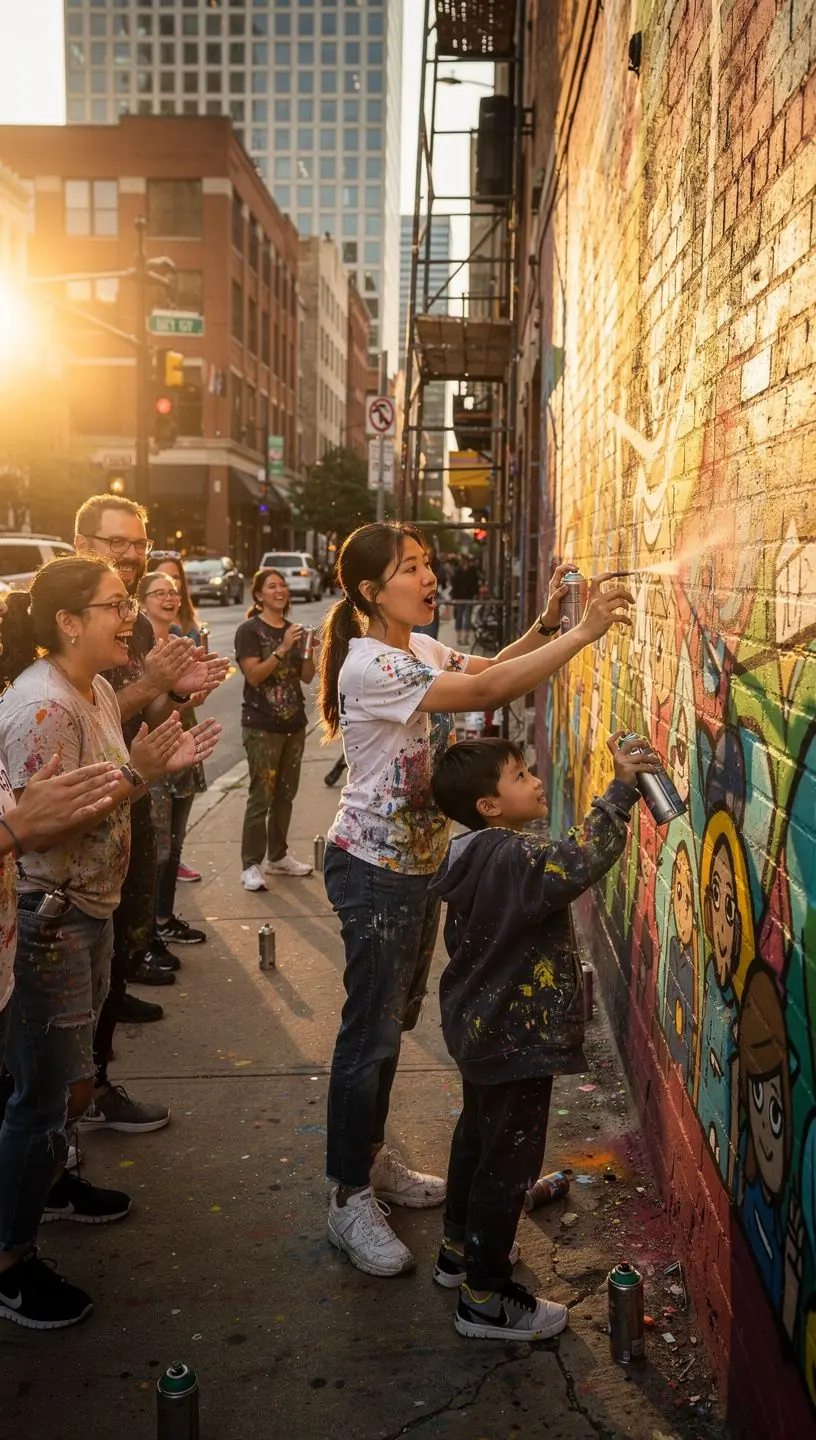
"Cultural exchange can break down stereotypes and foster mutual respect between diverse groups." - Cultural Studies Expert
Benefits of Cultural Exchange Programs
Participants in cultural exchange programs often report a range of benefits, which can include:
- Enhanced Communication Skills: Engaging with individuals from different backgrounds often requires adapting communication styles, which can improve overall interpersonal skills.
- Broader Perspectives: Exposure to diverse viewpoints can challenge existing beliefs, fostering open-mindedness and critical thinking.
- Community Building: Programs frequently promote collaboration on community projects, encouraging participants to work together towards common goals.
How It Works
The process of a cultural exchange program usually involves several key steps:
- Selection of Participants: Organizations often curate participants based on their interests and backgrounds to create a balanced group.
- Pre-Program Training: Participants typically undergo training to understand cultural sensitivities and expectations, which prepares them for meaningful engagement.
- Engagement Activities: During the program, participants engage in various activities designed to facilitate interaction, such as workshops, cultural festivals, and community service projects.
- Reflection and Feedback: After the program, participants may be encouraged to reflect on their experiences, which can reinforce learning and understanding.
Acknowledging Limitations
While cultural exchange programs can be effective, there are limitations to consider. Participation often requires a time commitment ranging from a few weeks to several months, depending on the program's structure. Additionally, participants may face a learning curve in adapting to new cultural norms and practices. Experts recommend that individuals interested in cultural exchange prepare to invest time and effort to maximize their experience.
Conclusion
Cultural exchange programs can play a vital role in fostering understanding among diverse communities. By participating in these initiatives, individuals not only gain valuable insights into other cultures but also contribute to building a more inclusive society. As research indicates, such programs can enhance mutual respect and collaboration, making them a worthwhile investment for both individuals and communities alike.
Learn More