Practical Guide to Organizing a Neighborhood Block Party
Organizing a neighborhood block party can foster community spirit and create memorable experiences. This guide provides a step-by-step approach to planning a successful event while setting realistic expectations and acknowledging the efforts required.
Understanding the Basics
Block parties are community-focused events that can enhance neighborly relationships and promote local engagement. According to community development experts, such gatherings typically lead to stronger social ties and improved neighborhood safety. To effectively organize a block party, it's essential to understand the basic elements involved, including planning, permits, and logistics.
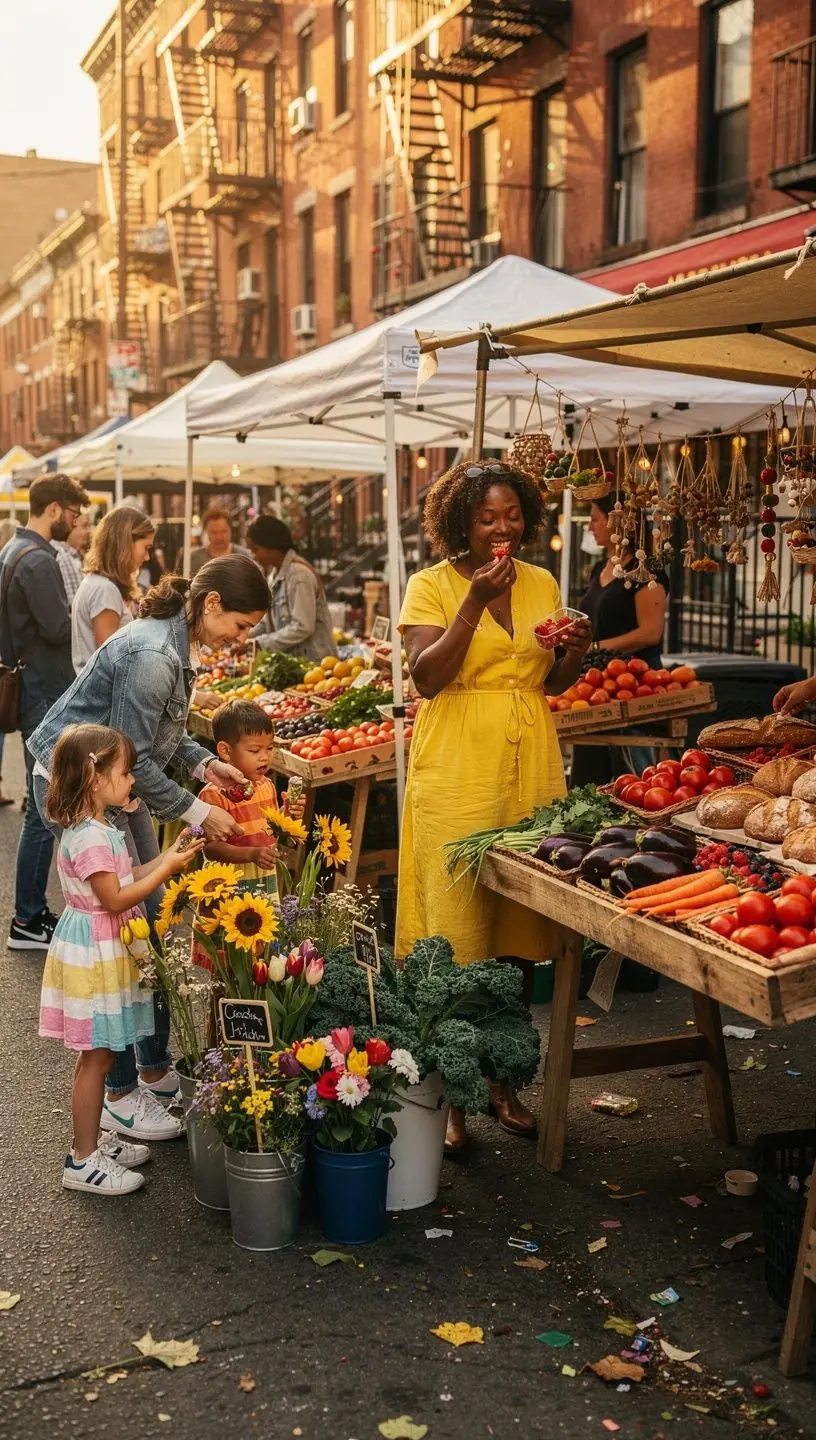
"Community events like block parties have shown to increase residents' feelings of belonging and reduce isolation, according to research by the National Institute of Health."
Steps to Organize Your Block Party
Here’s a practical framework to help guide you through the organization process:
- Gather Support: Start by talking to your neighbors to gauge interest in the block party. Many communities recommend forming a small planning committee to streamline efforts and ensure diverse input.
- Check Local Regulations: Before finalizing your plans, check with local authorities about necessary permits, especially if you plan to close off a street or serve food. Community experts suggest starting this process at least 4-6 weeks in advance.
- Select a Date and Time: Choose a date that typically works for most residents, such as a weekend afternoon. Many successful block parties are held in late spring or summer when the weather is more favorable.
- Plan Activities: Consider including games, music, or other engaging activities that cater to different age groups. Experts suggest that a mix of structured activities and free time works best to keep everyone involved.
- Communicate Effectively: Create flyers or use neighborhood apps to inform residents about the event details. It's important to provide clear information regarding location, time, and what residents can bring or prepare.
- Set Up a Budget: Determine the costs involved and consider pooling resources with neighbors. Industry standards suggest allocating funds for essentials like permits, food, and decorations.
- On the Day of the Event: Ensure you arrive early to set up. Having volunteers helps with setup and smooth running throughout the day. Experts recommend designating roles for activities, food, and cleanup to keep everything organized.
Post-Event Follow-Up
After the block party, it can be beneficial to gather feedback from attendees. This can help in planning future events and understanding what worked well and what might need improvement. Many community organizers find that sharing a simple thank-you note or message through social media fosters goodwill and builds enthusiasm for future gatherings.
Conclusion
Organizing a neighborhood block party involves planning, commitment, and a spirit of community. By following the structured approach outlined above, you can create an engaging and memorable experience for your neighbors. Keep in mind that while challenges may arise, the rewards of strengthened community ties are well worth the effort. Start planning today and enjoy the process of bringing your neighborhood closer together.
Learn More