Understanding the Impact of Local Art Festivals
Local art festivals are vibrant events that foster community engagement and promote cultural exchange. This article explores their significance and the various ways they influence local communities.
The Cultural Significance of Art Festivals
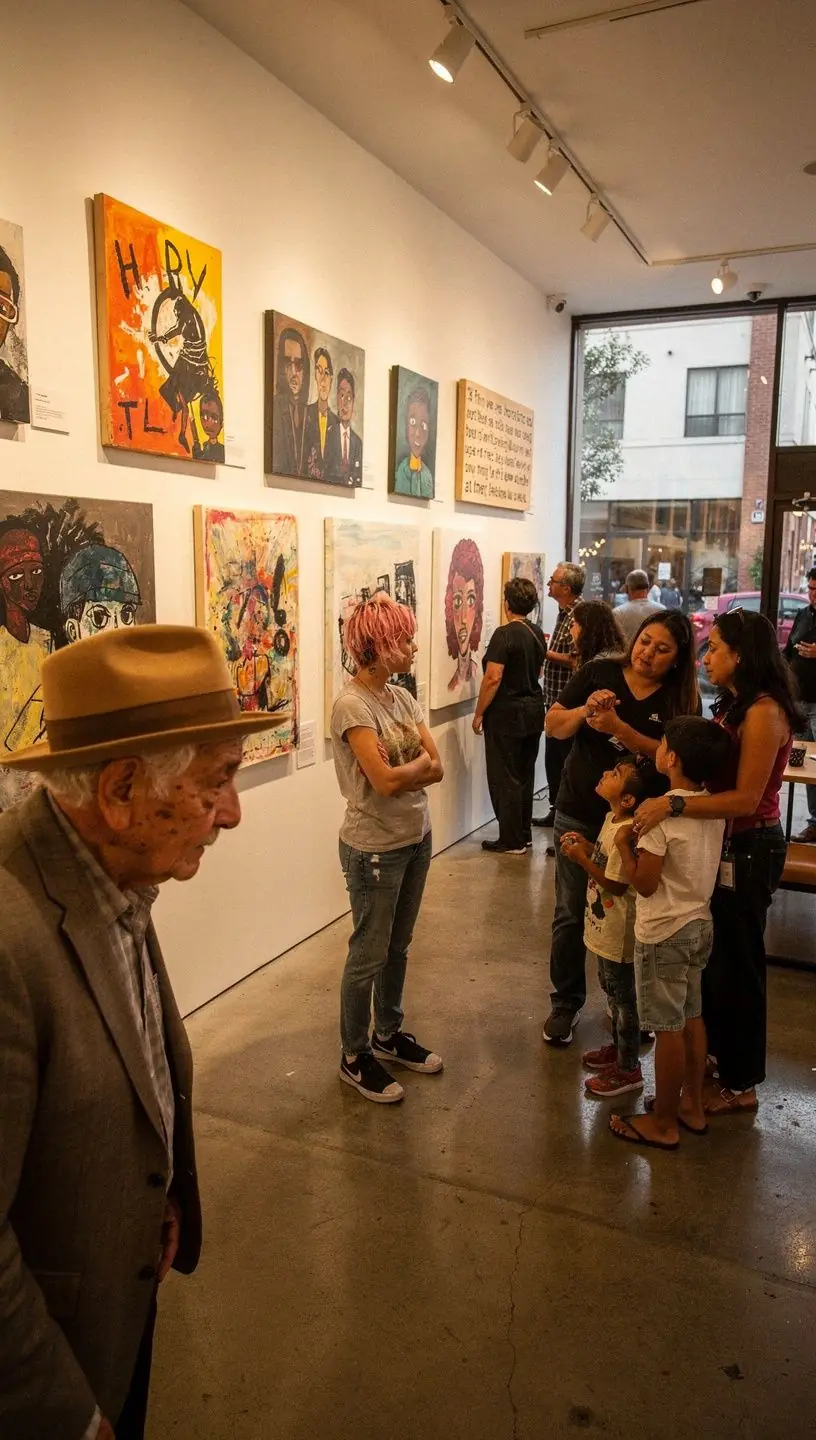
Art festivals typically serve as a platform for artists to showcase their work, connect with audiences, and foster dialogue about contemporary issues. According to the National Endowment for the Arts, events like these can substantially enhance community pride and cohesion.
"Art festivals create spaces for dialogue and exchange, allowing diverse voices to contribute to the cultural landscape." - Dr. Sarah Thompson, Cultural Studies Expert
Economic Benefits to the Community
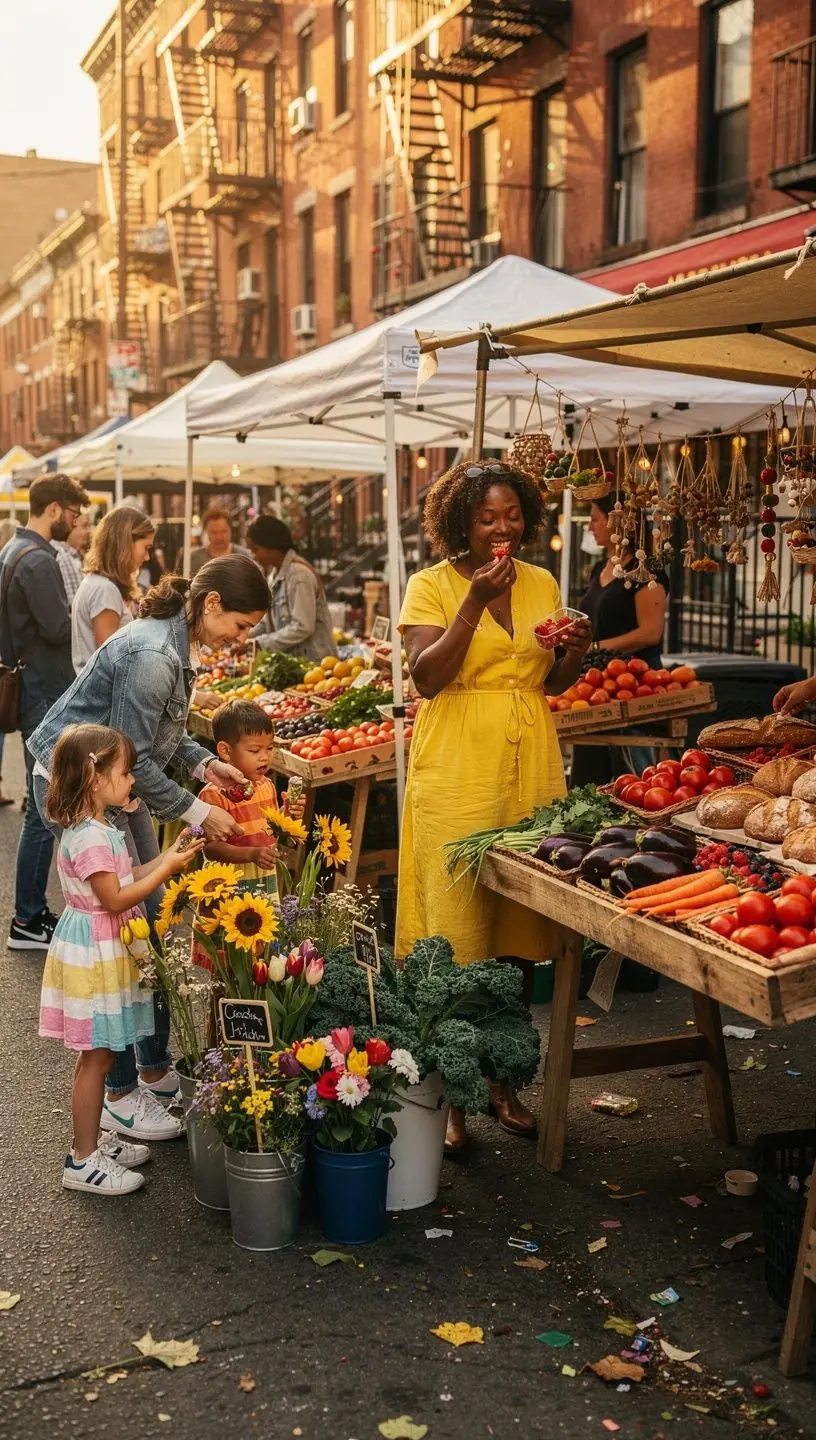
Research indicates that local art festivals can have a positive economic impact on the surrounding area. Many users report that these events attract tourists, which can lead to increased spending in local businesses. Typically, cities that host art festivals see a boost in revenue for hotels, restaurants, and shops.
- Job Creation: Art festivals often require local staffing, leading to temporary job creation, which can benefit the community.
- Increased Sales: Local vendors frequently report a rise in sales during festivals, providing a much-needed boost.
- Long-Term Investment: Festivals can encourage ongoing tourism, making them a worthwhile investment for local governments and businesses.
Fostering Community Engagement
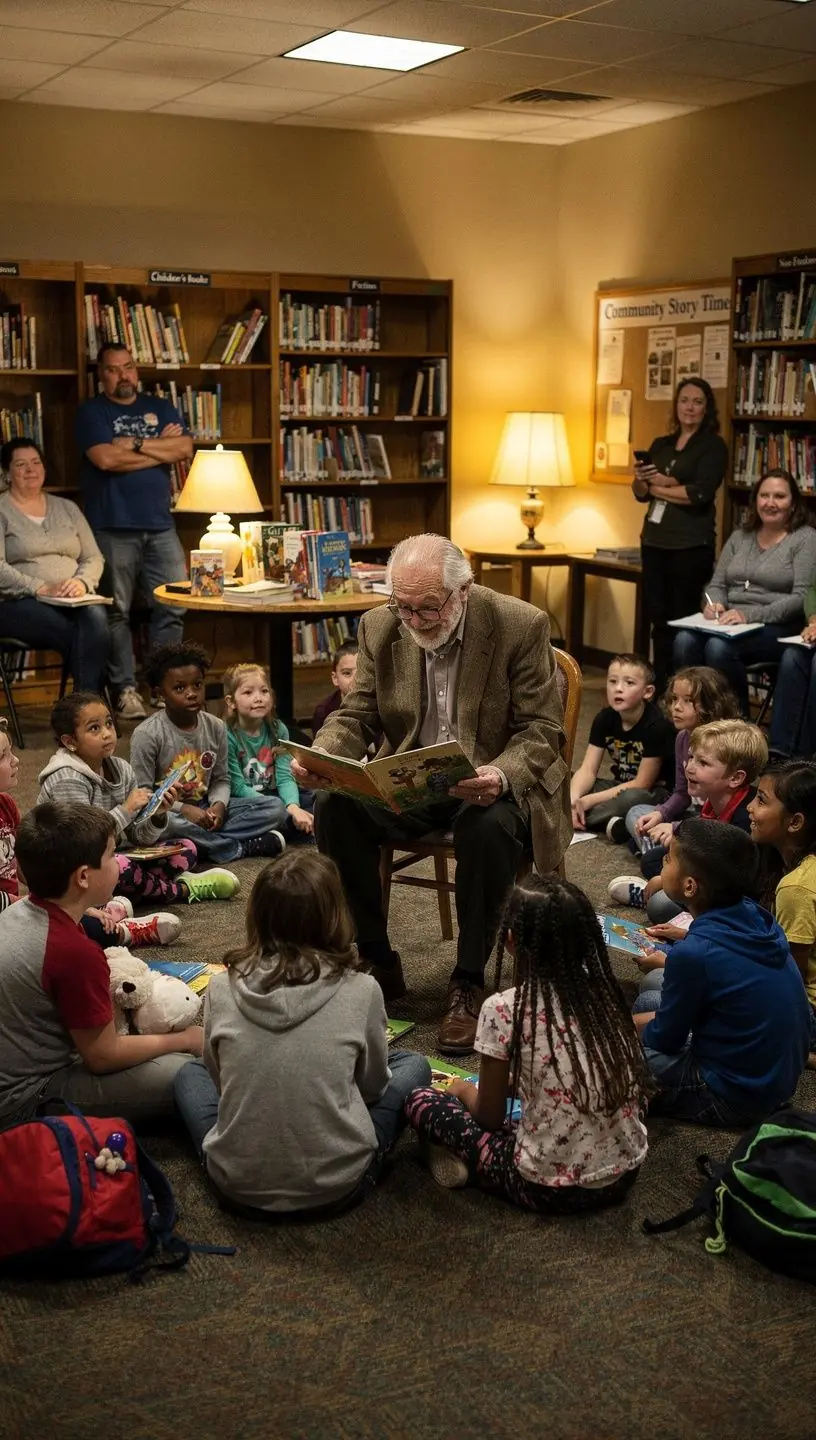
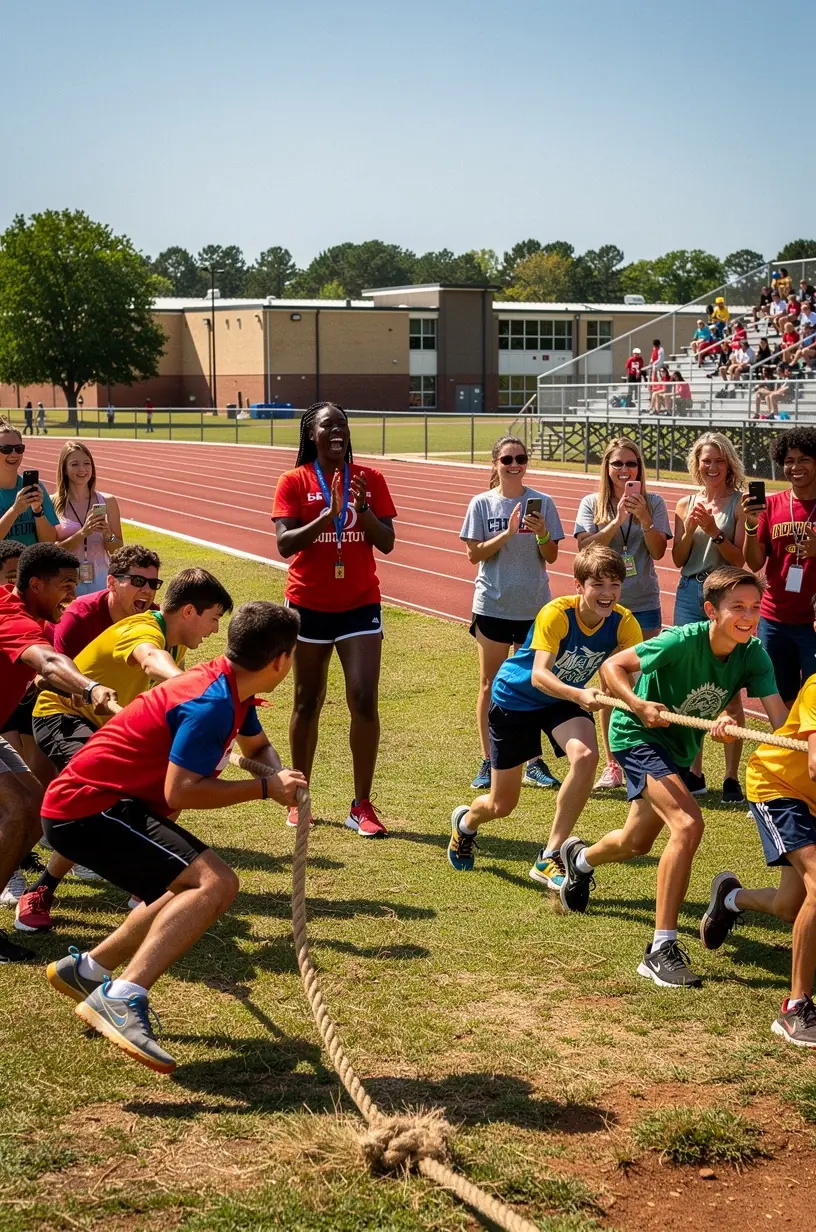
Art festivals can play a crucial role in community engagement. They often include workshops, performances, and interactive installations, which encourage participation from attendees. Studies suggest that such engagement promotes a sense of belonging and community identity.
"Participatory experiences at art festivals can enhance social ties and build community resilience." - Mark Reynolds, Community Development Specialist
Challenges and Considerations
While art festivals can be beneficial, they are not without challenges. Organizing these events typically requires significant planning and resources. In most cases, festivals may involve:
- Time Commitments: Planning an art festival usually takes several months, requiring dedicated effort from volunteers and organizers.
- Funding Requirements: Securing sponsorship and funding is often essential, as many festivals operate on tight budgets.
- Weather Considerations: Outdoor festivals can be impacted by unpredictable weather, which may affect attendance and vendor participation.
Conclusion
Local art festivals can profoundly impact communities by boosting the economy, fostering cultural exchange, and enhancing community engagement. However, they require careful planning and consideration of various factors. By understanding both the benefits and challenges, communities can create successful art festivals that enrich their cultural landscape.
Learn More