Understanding Folklore’s Role in Community Identity
Folklore plays a vital role in shaping community identity, offering insights into cultural values and shared histories. By examining the traditions, stories, and practices unique to various community groups, we can better understand how folklore reinforces a sense of belonging and continuity.
The Importance of Folklore
Folklore encompasses traditional beliefs, myths, legends, and practices that are passed down through generations. According to recent studies, communities that actively engage with their folklore often report a stronger sense of identity and pride in their cultural heritage. This connection is essential, especially in diverse societies where multiple cultural narratives coexist.

"Folklore serves as a living repository of community values and experiences, helping to maintain cultural continuity and identity." - Cultural Anthropologist
How Folklore Shapes Community Identity
The relationship between folklore and community identity can be understood through several key aspects:
- Shared Stories: Folklore often includes narratives that resonate with community members, fostering a sense of shared history. Experts suggest that storytelling can enhance social cohesion by connecting individuals to their past and each other.
- Traditions and Rituals: Engaging in traditional practices, such as festivals or rituals, reinforces group identity. Many communities find that these activities not only celebrate their heritage but also encourage intergenerational participation, which is essential for cultural preservation.
- Values and Beliefs: Folklore embodies the values and beliefs of a community, reflecting its moral and ethical frameworks. Understanding these elements can provide insight into why certain practices are upheld and how they evolve over time.
Practical Steps to Engage with Folklore
To fully appreciate and integrate folklore into community identity, consider the following actionable steps:
- Collect Stories: Encourage community members to share their personal narratives and folklore. This can be done through workshops or oral history projects, creating a living archive of local heritage.
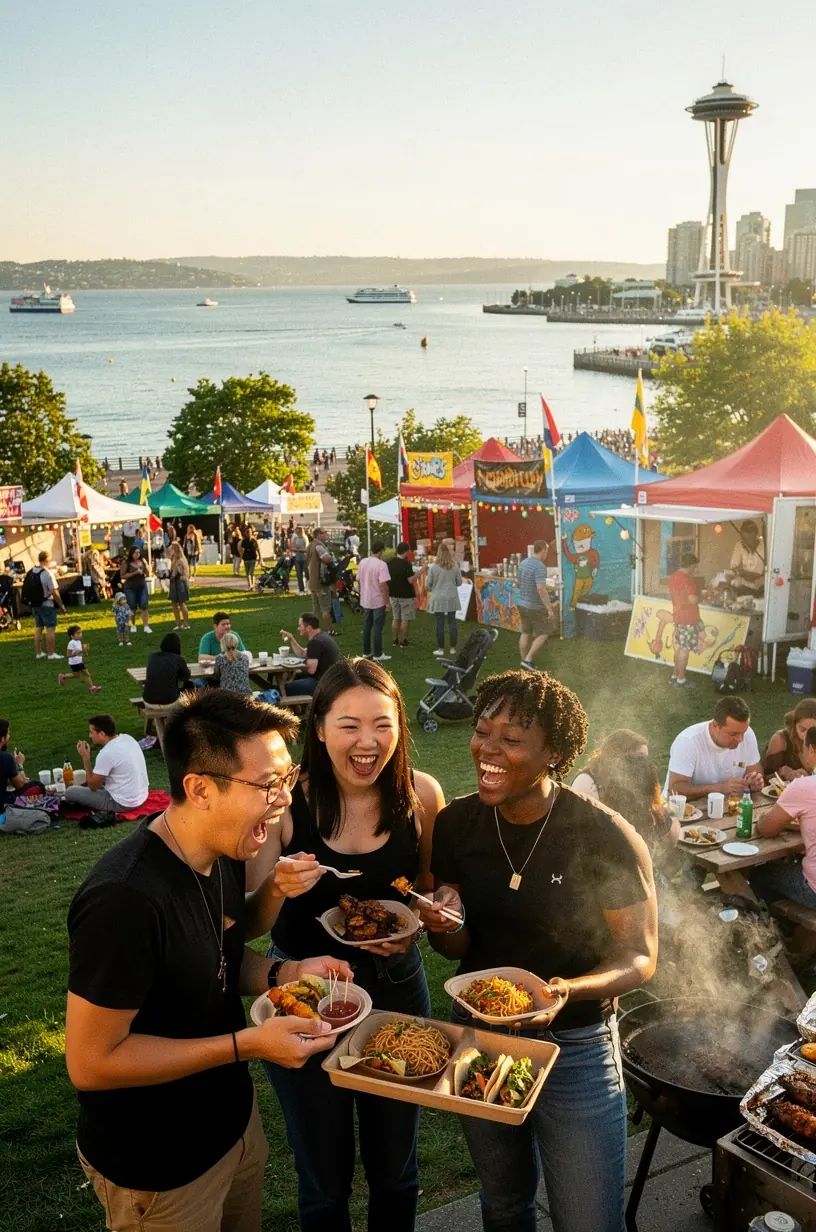
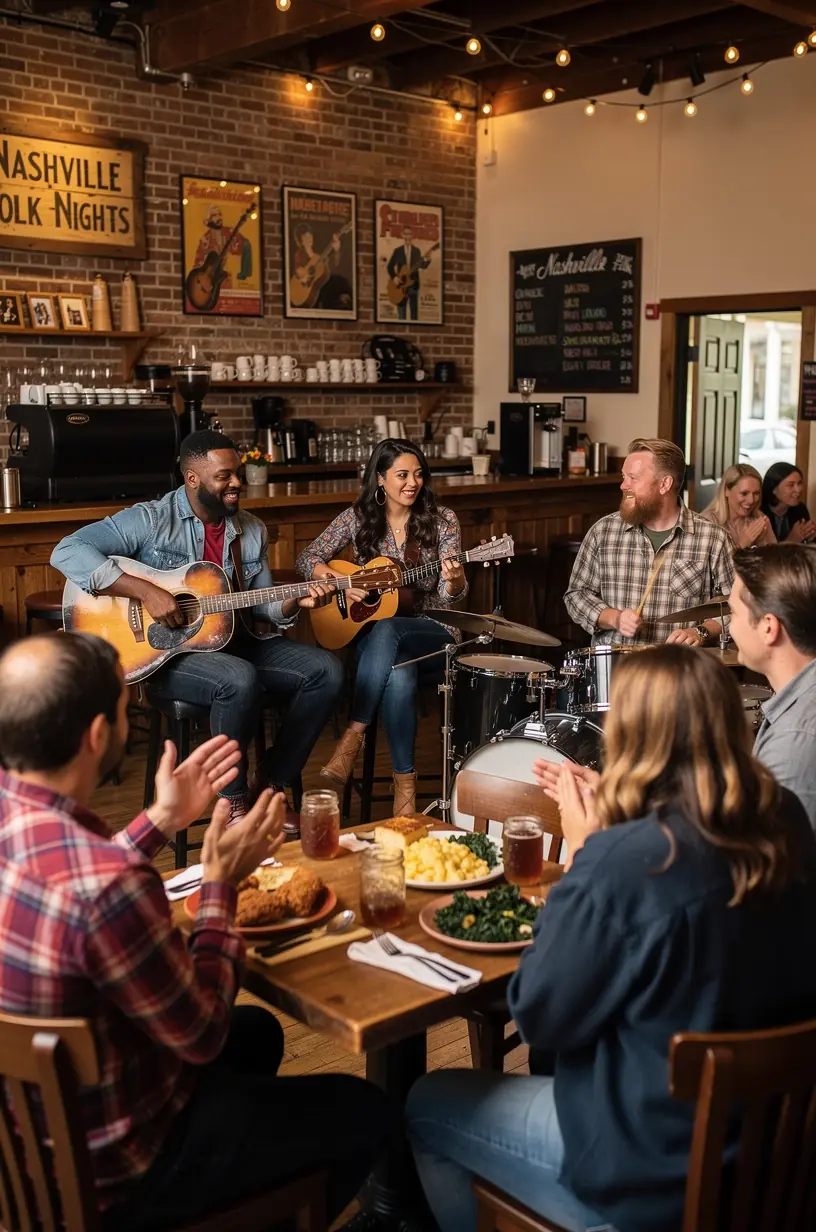
- Host Cultural Events: Organize events that celebrate local folklore, such as storytelling nights or traditional festivals. This can strengthen community bonds and invite broader participation.
- Promote Education: Collaborate with local educational institutions to include folklore studies in their curriculum. Research indicates that exposing students to their cultural heritage can enhance their understanding of identity and belonging.
Conclusion
Folklore is more than just a collection of stories; it is a crucial element in defining community identity across the United States. By engaging actively with folklore, communities can strengthen their cultural integrity and foster a deeper sense of belonging. As many users report, investing time and effort into understanding and celebrating folklore can lead to enriched community relations and a vibrant cultural landscape.