How Storytelling Workshops Enhance Community Bonds
Storytelling has been a vital part of human culture for centuries. Increasingly, storytelling workshops are being recognized for their ability to foster community engagement and strengthen bonds among participants. This article explores how these workshops can enhance social connections, based on research and expert opinions.
Understanding the Basics of Storytelling
Storytelling, at its core, is a method of sharing experiences and emotions through narratives. According to a study published in the journal Psychological Science, engaging in storytelling can significantly improve empathy and social understanding among individuals. This improvement typically stems from the ability to connect with others' experiences, which is an essential component of community bonding.
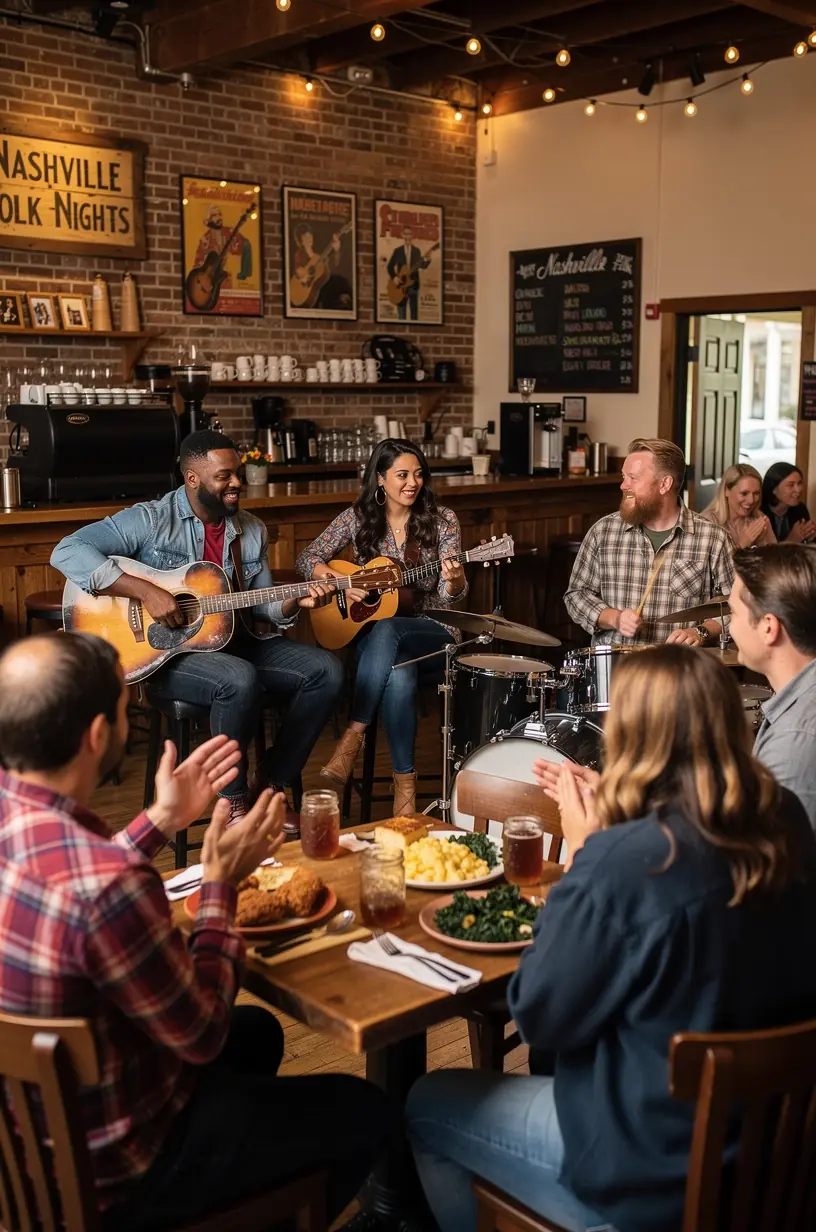
"Storytelling creates a shared experience that can unite individuals from diverse backgrounds, fostering deeper connections." - Dr. Maria Lopez, Community Engagement Specialist
How Storytelling Workshops Foster Connection
Participating in storytelling workshops often involves collaborative activities that promote interaction and communication. Here are a few ways these workshops enhance community bonds:
- Encourages Vulnerability: Participants typically share personal stories, which can create a safe space for openness. This vulnerability can lead to stronger emotional connections among group members.
- Builds Listening Skills: Effective storytelling is not just about speaking; it requires active listening. Many users report that honing these skills during workshops fosters greater respect and understanding within the community.
- Creates a Sense of Belonging: Workshops often emphasize shared experiences, allowing participants to discover commonalities. This works best when attendees actively engage in discussions and activities that highlight their unique narratives while finding overlap.
Practical Application of Storytelling in Community Building
To implement storytelling effectively within a community, consider the following approaches:
- Host Regular Workshops: Organizing storytelling workshops every few weeks can help build momentum. These sessions typically require 1-2 hours and can be adapted to suit different age groups or cultural backgrounds.
- Leverage Technology: Utilizing online platforms for storytelling sessions can extend reach. Virtual workshops can be beneficial, especially in diverse communities where participants might prefer remote engagement.
- Invite Experienced Facilitators: Hiring facilitators who have experience in storytelling and community engagement can significantly enhance the effectiveness of the workshop. Experts recommend that facilitators incorporate various narrative techniques to appeal to different learning styles.
Challenges and Considerations
While storytelling workshops can be highly beneficial, there are limitations to consider:
- Workshops typically require a commitment of time and effort, with desired outcomes often taking several sessions to develop.
- The effectiveness of storytelling may depend on participants' willingness to share and engage, which can vary widely.
- Not every community will respond similarly; some may require tailored approaches to storytelling that respect cultural sensitivities and differing levels of comfort.
Conclusion
Storytelling workshops present an effective approach to enhancing community bonds through shared experiences and emotional connections. By prioritizing listening and vulnerability, these workshops can cultivate a sense of belonging and understanding. While challenges exist, the potential for positive community engagement makes storytelling a worthwhile endeavor for many communities across the US.
Learn More